passes go on sale September 25th
passes go on sale September 25th
field: A Festival of Ideas, Entertainment, Learning & Discovery
Maira Kalman: Artist Talk
Kai Bird and Susan Goldmark with Bill Goldstein
Carol Gilligan and Niobe Way
Laura Buchwald with a noted psychic medium
Annette Gordon-Reed and Brent Staples
Saidiya Hartman and Jamaica Kincaid In conversation with Farah Jasmine Griffin
Colm Tóibín In Conversation with Adam Moss
Tom Hammick: Artist Talk
Ezekiel Emanuel, Tony Coles, and Vardit Ravitsky
Bessel van der Kolk and Ronald D. Siegel
Jonathan Alter: America at a Turning Point
Session 1
FRIDAY NIGHT
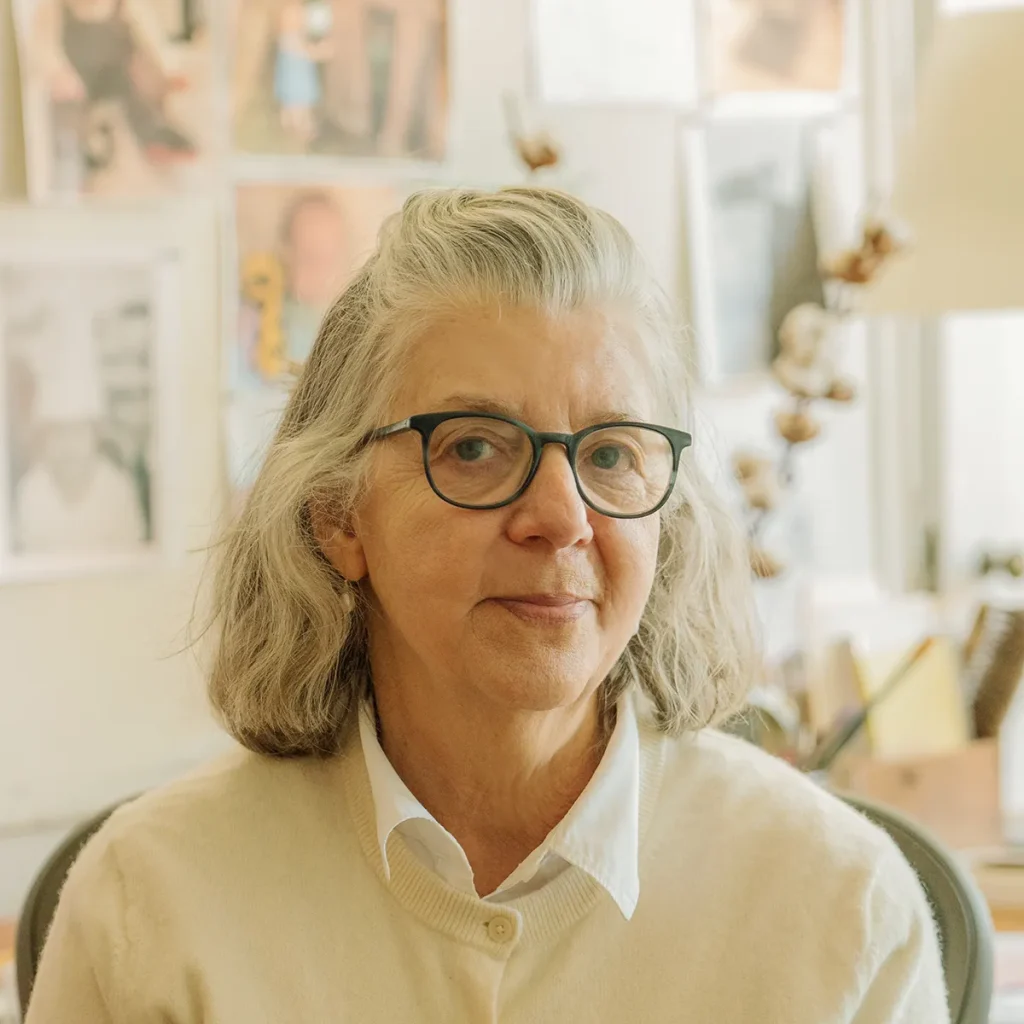
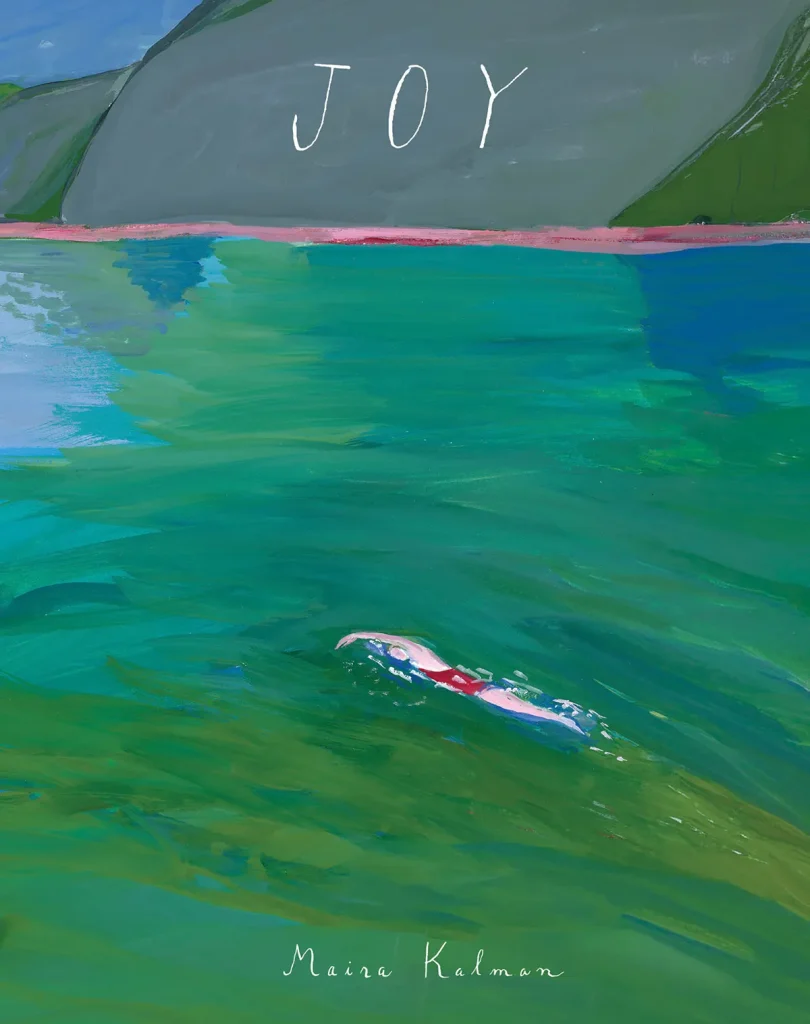
Maira Kalman’s paintings, witty and wise, have graced countless New Yorker covers. Inspired in equal measure by Kafka, Beethoven, and Woolf, as well as her own idiosyncratic encounters with the world, she comes to field to talk about Joy, a luminous new collection of prose and paintings that reveals how unexpected moments of light—quiet, fleeting, and often overlooked moments—persist even in the darkest of times. “The subject of my work continues to be the normal, daily things that people fall in love with,” Kalman has said. “I happen to fall truly in love with things many times during the day. On one level, you could say, What else is there?”
Maira Kalman
Session 2
Saturday morning
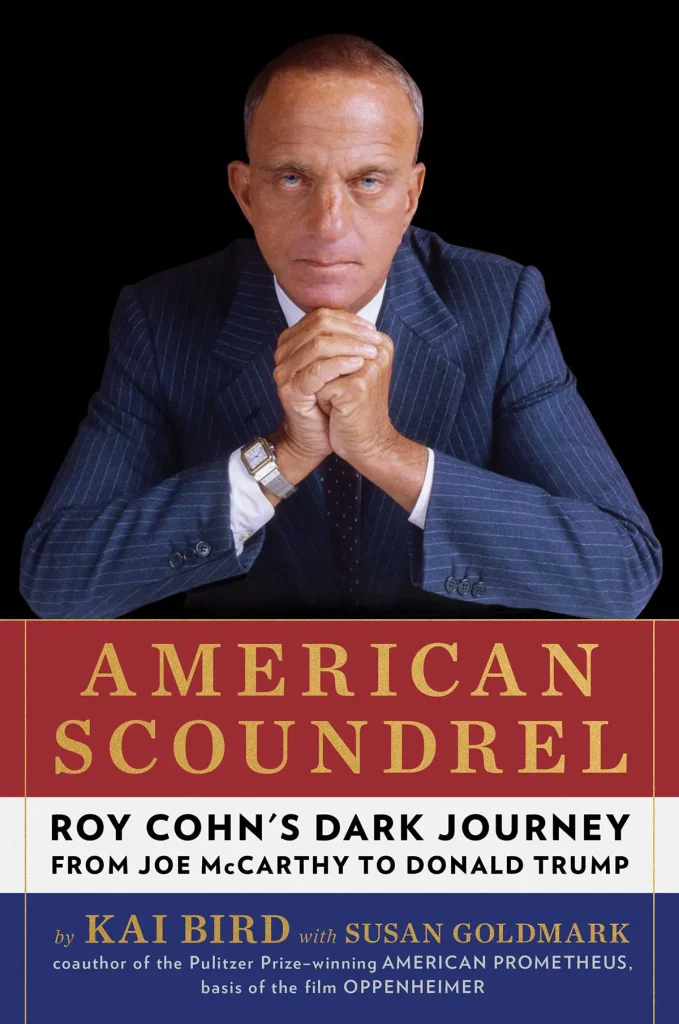
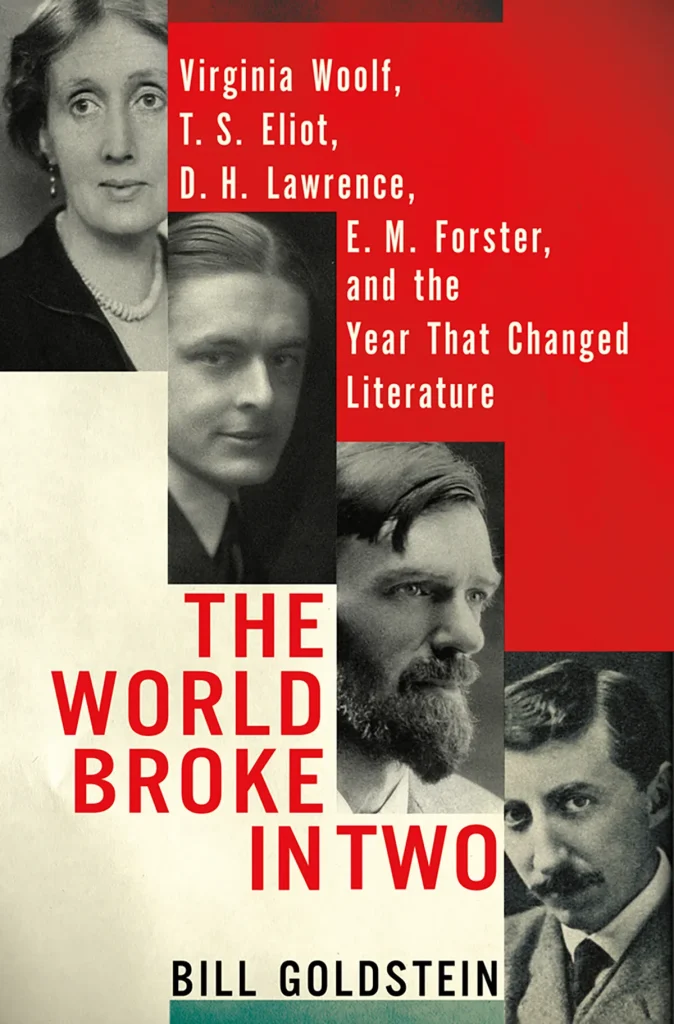
Kai Bird, a self-described “biographer of the American establishment” who won a Pulitzer Prize for his book on Robert Oppenheimer, was as surprised as anyone to be writing about Roy Cohn, the right-wing lawyer whose notorious career saw him serve as consigliere to Joseph McCarthy and Donald Trump. “I had somehow underestimated his significance,” Bird writes in American Scoundrel, the new Cohn biography he wrote with his wife, Susan Goldmark. It was only after Trump ascended to the highest office that Bird started paying closer attention. In this conversation, Bird and Goldmark will discuss the legacy of “a man whose personal immorality planted the seeds of America’s descent” with cultural historian Bill Goldstein, whose forthcoming biography is of Larry Kramer, the activist playwright whose life’s work (he is best known for The Normal Heart) stands in radical opposition to Cohn’s. As Goldstein wrote when Kramer died in 2020, “he fought back and believed so much in love.”

Kai Bird & Susan Goldmark

Bill Goldstein
Session 3
Saturday morning
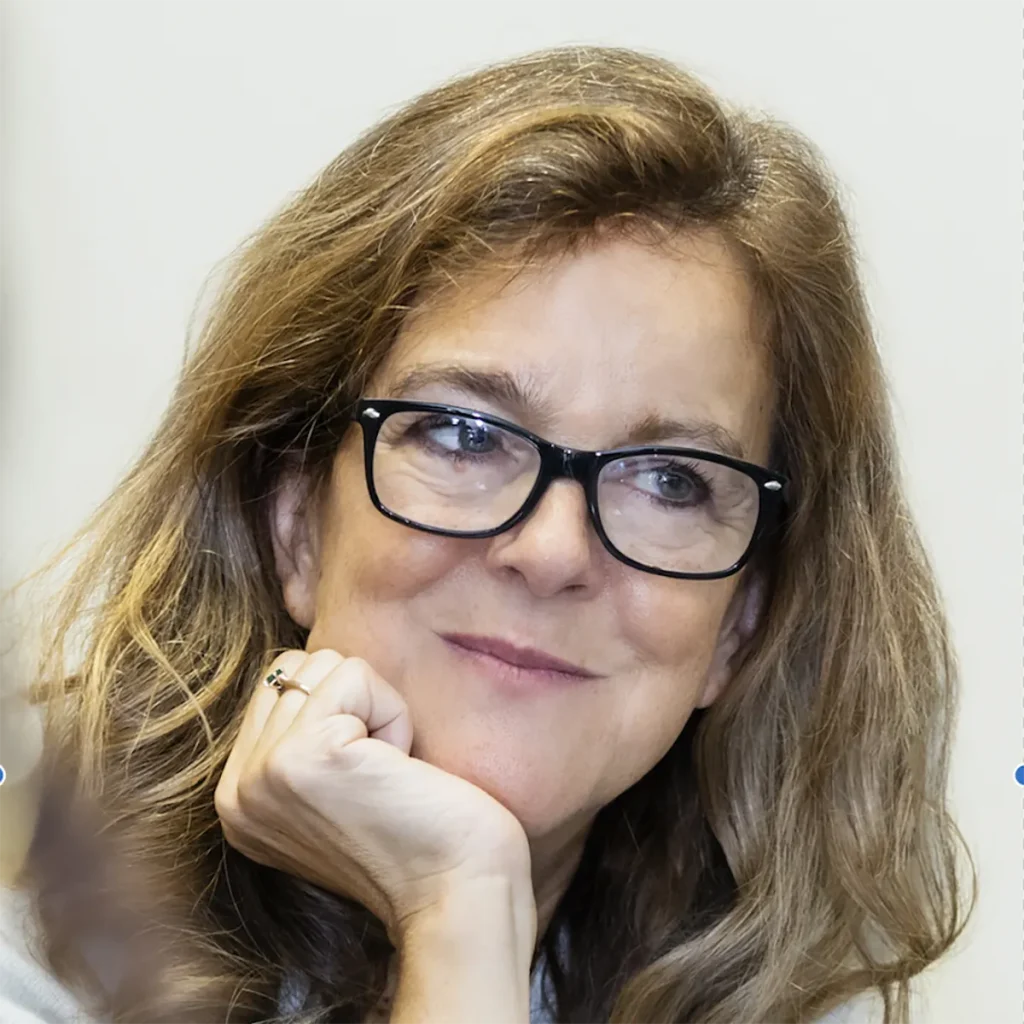
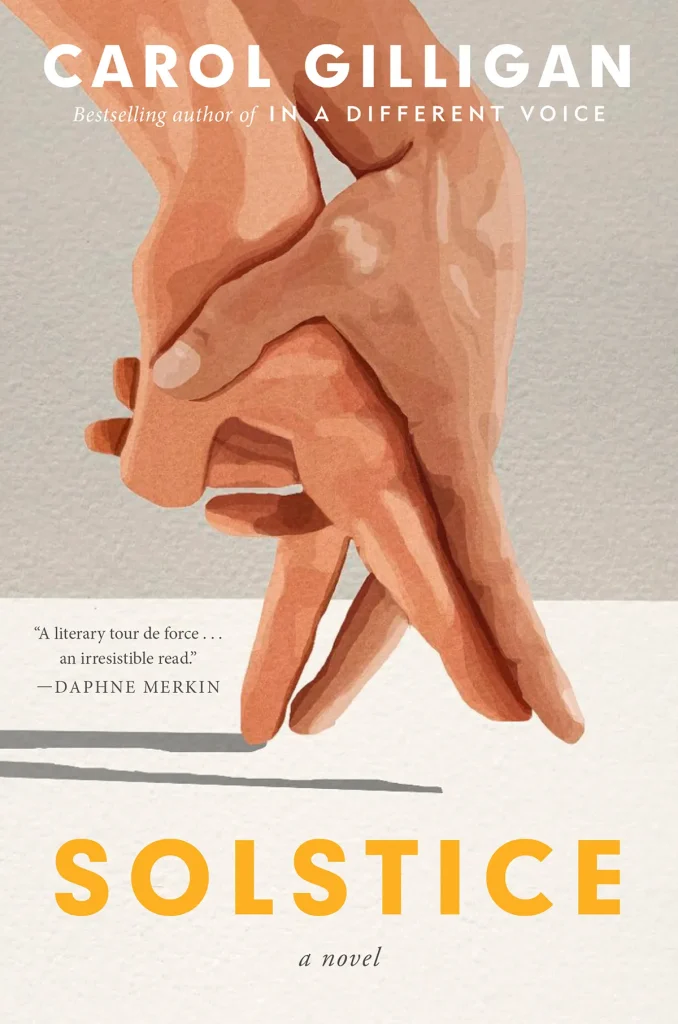
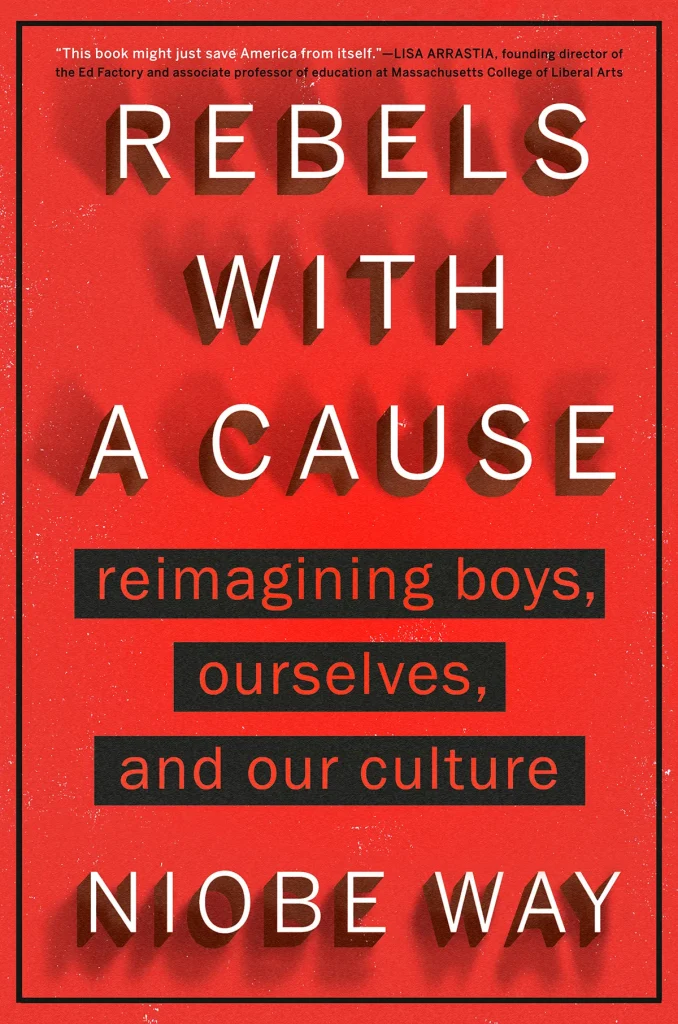
Carol Gilligan and Niobe Way
The publication of Carol Gilligan’s In a Different Voice (1982) catalyzed a feminist revolution in the field of psychology. In her paradigm-shifting work, she formulated an “ethics of care”—a different voice that joins reason with emotion, mind with body, and self with relationships. “I didn’t go to Harvard to study with Gilligan,” fellow psychologist Niobe Way wrote in a recent article, “but I soon found myself drawn to her work because it challenged everything I thought I knew about human nature.” In this conversation, which builds on nearly forty years of mentoring, friendship, and collaboration, Gilligan and Way will discuss the intersections and influence of their respective projects. “Way has done for boys what Gilligan has done for girls,” Elise Loehnen has written. “While Gilligan shows that girls come to not know what they know, Way traces how boys disconnect from caring and enter a period of loneliness. I often cite Way and Gilligan together, specifically the insight around when the word don’t enters a child’s vocabulary. How do we repair our culture so that it’s safe for everyone to stay connected?”

Carol Gilligan
Niobe Way
Session 4
Saturday morning
The supernatural has a way of sounding sublime in the sparkling words of Laura Buchwald,” wrote Hannah Bos (co-creator of HBO’s Somebody Somewhere). The fact that the protagonist of her novels The Coat Check Girl and has friends on both side of the veil reflects Buchwald’s abiding interest in the difficult and surprising process of grieving—how it shapes and refines us. For what promises to be an extraordinary conversation, Buchwald will interview renowned psychic medium TK.
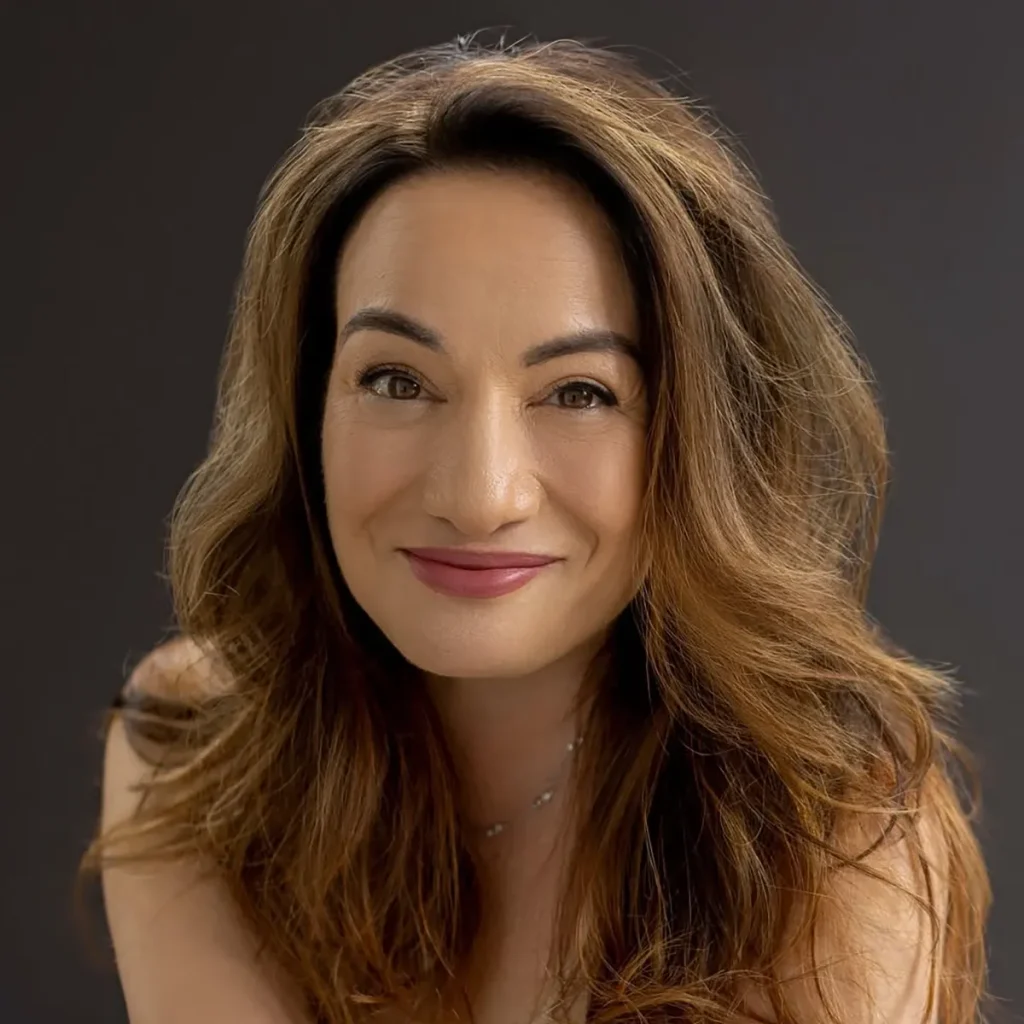
Laura Buchwald
Noted psychic medium

Session 5
Saturday afternoon
“We hold these truths to be self-evident, that all men are created equal, that they are endowed by their Creator with certain unalienable Rights, that among these are Life, Liberty, and the pursuit of Happiness.” This is the Declaration of Independence’s most inspiring passage,” historian Annette Gordon-Reed wrote recently in the New York Times upon the occasion of the nation’s 250th birthday. “But when Thomas Jefferson wrote these words, racially based chattel slavery existed in all 13 American colonies, including at Monticello. Beautiful as it was, Jefferson’s language opened a gap between the idealism of the country’s founding document and reality as it existed in what would become the new republic.”
In a wide-ranging conversation with Pulitzer Prize-winning essayist Brent Staples, Gordon-Reed will reflect on this gap across American history and into our current political moment. “The story of race and racism in the United States is obscured by layer upon layer of willful forgetting,” Staples has written. “Writing about this problem is by definition a forensic act.”
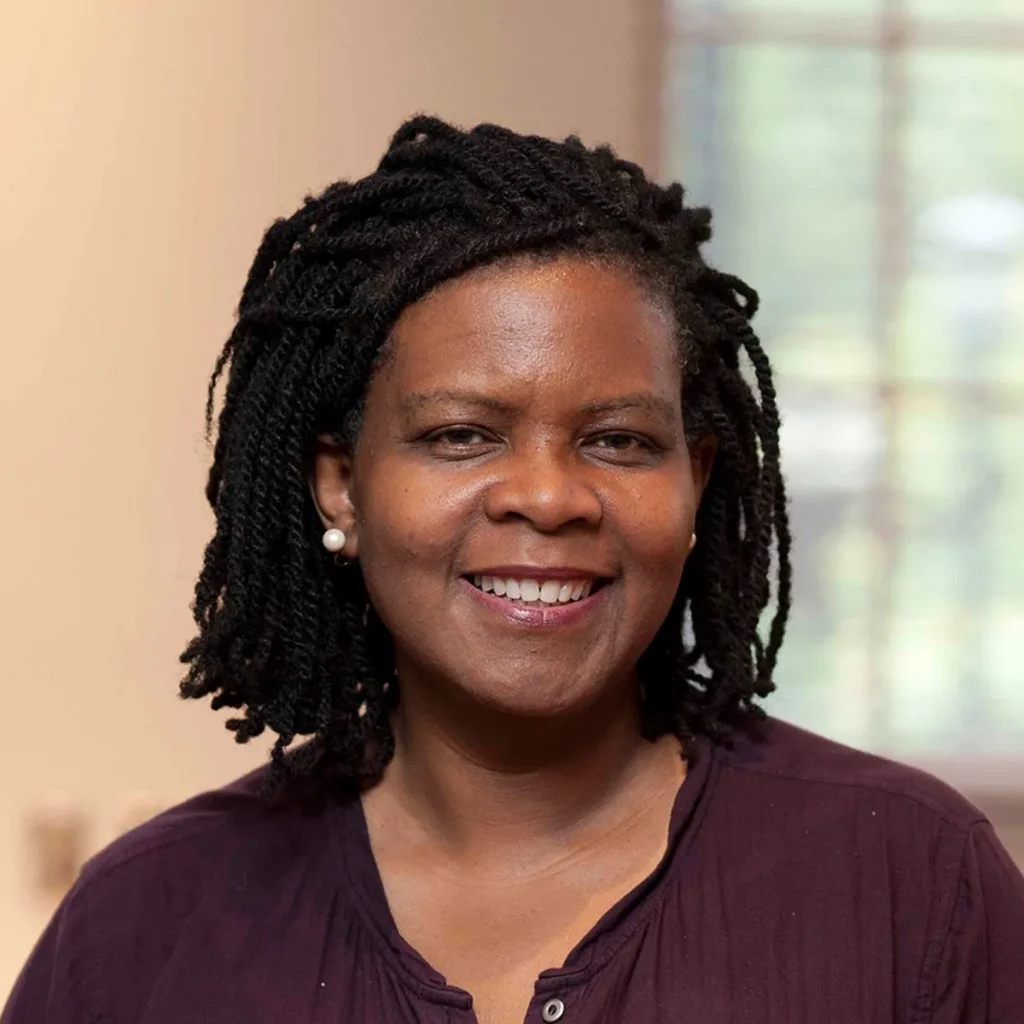
Annette Gordon-Reed
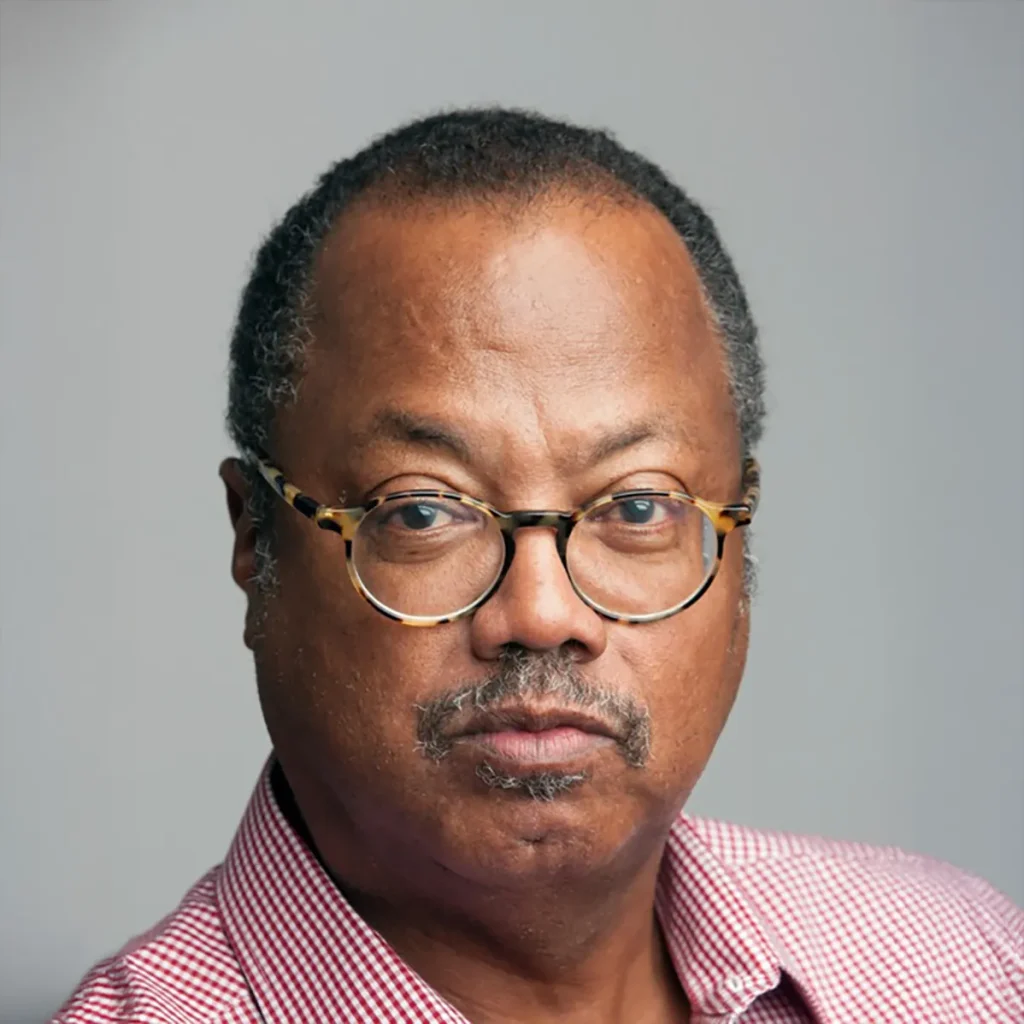
Brent Staples

Session 6
Saturday afternoon
What are the abundant pleasures and possibilities of gardening? How does the garden, as a patchwork site of memory and meaning, nurture and reflect a literary life? What can the garden teach us about communal living, radical care, and conquest? In this intimate conversation, two of our most acclaimed and singular writers, scholar/playwright Saidiya Hartman and novelist/essayist Jamaica Kincaid give the audience a rare look at the beautiful experiments that are their own home gardens. For Kincaid, the origins of her gardening life can be traced to her second Mother’s Day, when she was gifted seeds and tools. “I seemed to have been overtaken by my own childhood in Antigua and the spirit of my mother,” Kincaid has written. “I went back to her, I suppose, and from there, because of the way I am, I became interested in the origins of the flowers I was growing. My favorite subjects have always been botany, history, and geography, and plants contain those three things.” For Hartman, an avid gardener who lives part time in the Berkshires, she links the garden with a sense of joy. “I tend to describe joy as this release from the constraint or costume of the individual—a sense of the self disappearing in the vastness of the earth, the ocean, the sky, the land,” she has written. “I love the colors in my garden. I love just playing with the colors.”

Saidiya Hartman

Jamaica Kincaid
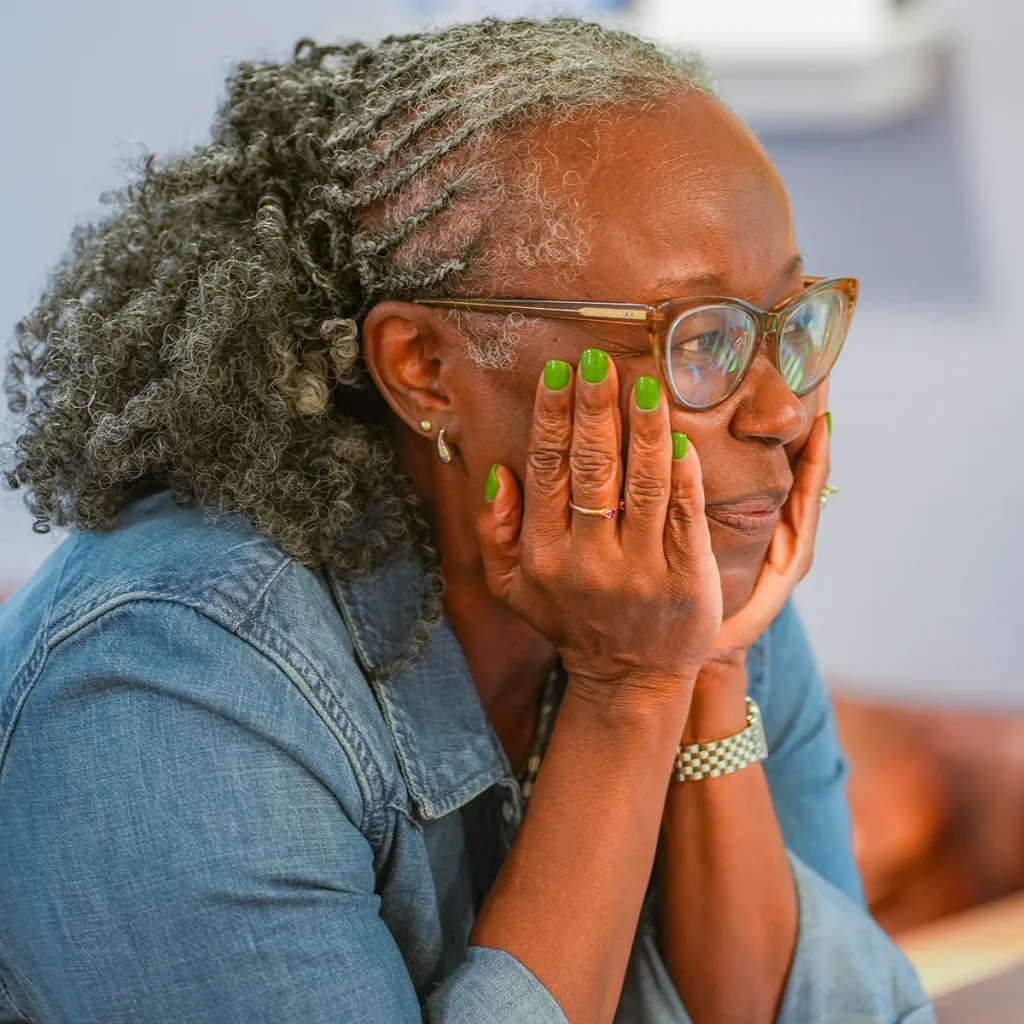
Farah Jasmine Griffin
Session 7
Saturday afternoon
What makes an artist? How do artists think? Where do they begin, what do they do next, and when do they know they are finished? What do they do when they lose faith? Do they lose faith?
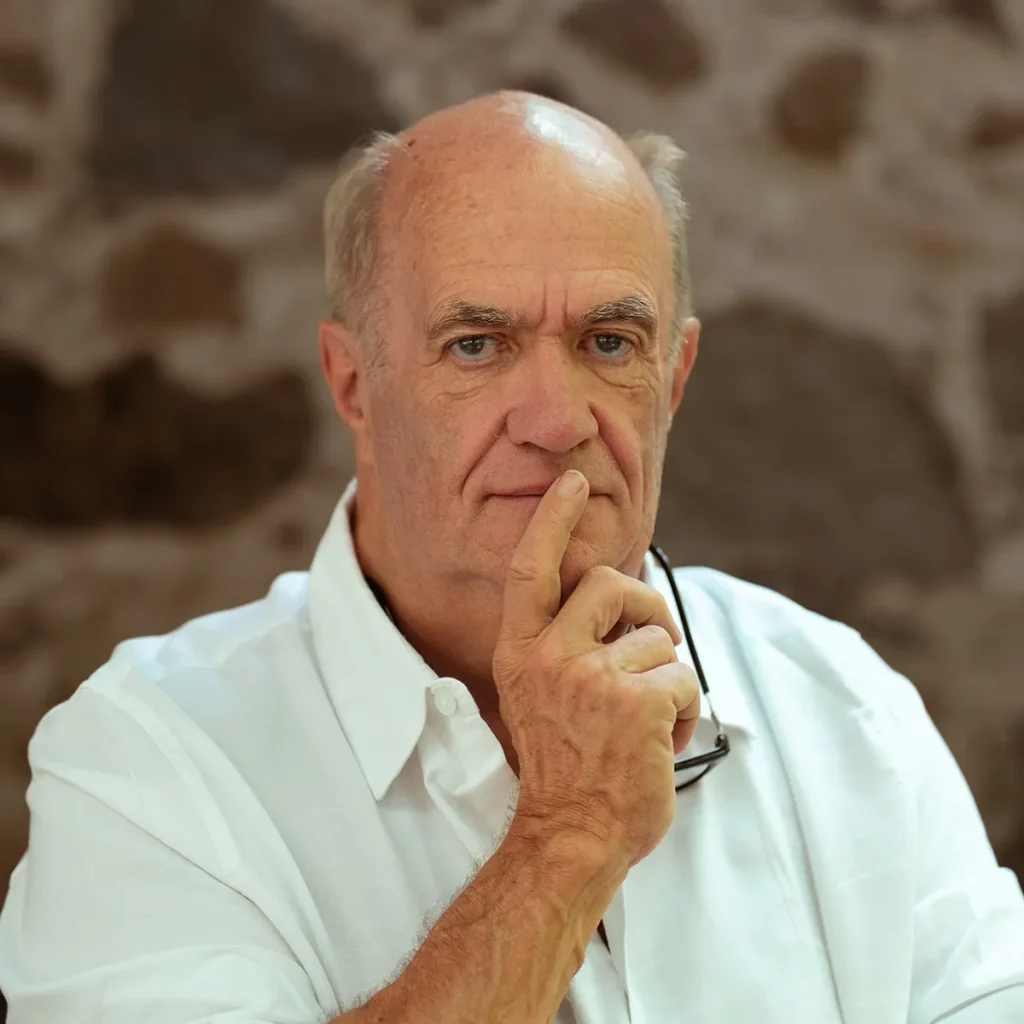
Adam Moss, legendary editor of New York magazine, investigates these questions in The Work of Art: How Something Comes from Nothing. Here are, Moss writes in the book’s introduction, “forty conversations in which I ask artists to walk me through the evolution of a novel, a painting, a photograph, a movie, a joke, a song—and to supply physical documentation of their process as a map of their thinking.” At field, Moss will conduct a live Work of Art interview with beloved novelist Colm Tóibín. “Writing, for me, is a way of pulling things up and out — guts. Things that have not been spilt before,” Tóibín has written. “It depends on memory, on imagination. It depends on things that are very difficult.”
Colm Tóibín

Adam Moss

Session 8
Sunday morning
Tom Hammick: Artist Talk
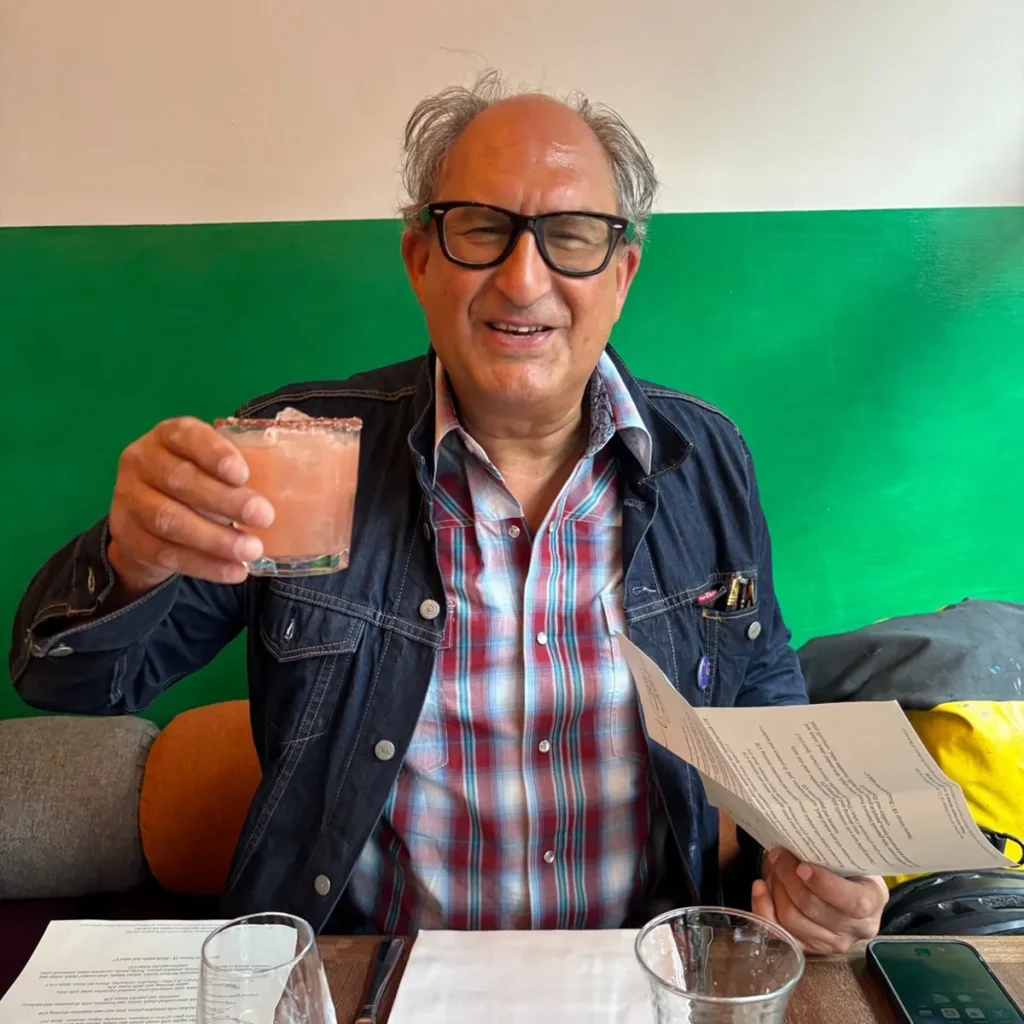
Internationally celebrated as a visionary artist, the British painter and printmaker Tom Hammick is first and foremost a storyteller. In a special presentation created just for the field festival, illustrated by images from his recent work as well as the music and poetry that have inspired it, Hammick offers the audience a rare glimpse of his creative practice and lifelong pursuit of art-making that celebrates love and loss while exploring his deeply personal version of what it is like to be “a human alive on the edge of this planet, spinning in space.” As he said in a recent interview, “I don’t always know what’s going to happen, but I have a very strong image in my head, I have a sort of taste in my mouth, and a feeling, a very strong feeling. The picture has got to try and stand up to that.”
Tom Hammick
Session 9
Sunday morning
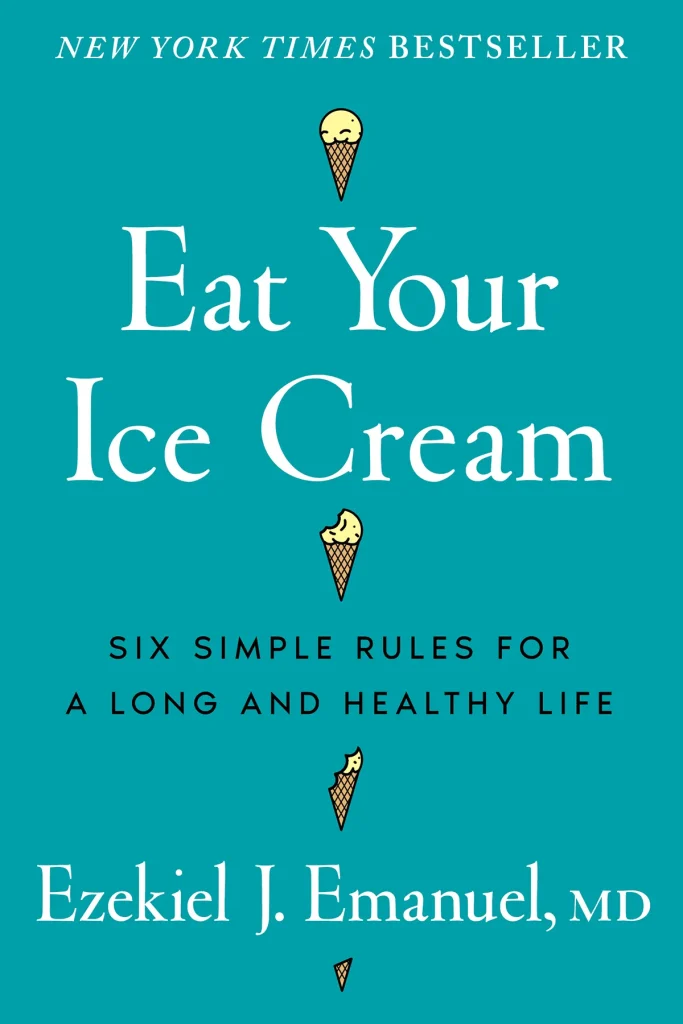
Ezekiel Emanuel and Tony Coles With Vardit Ravitsky

Ezekiel J. Emanuel

Vardit Ravitsky

N. Anthony Coles
Session 10
Sunday morning
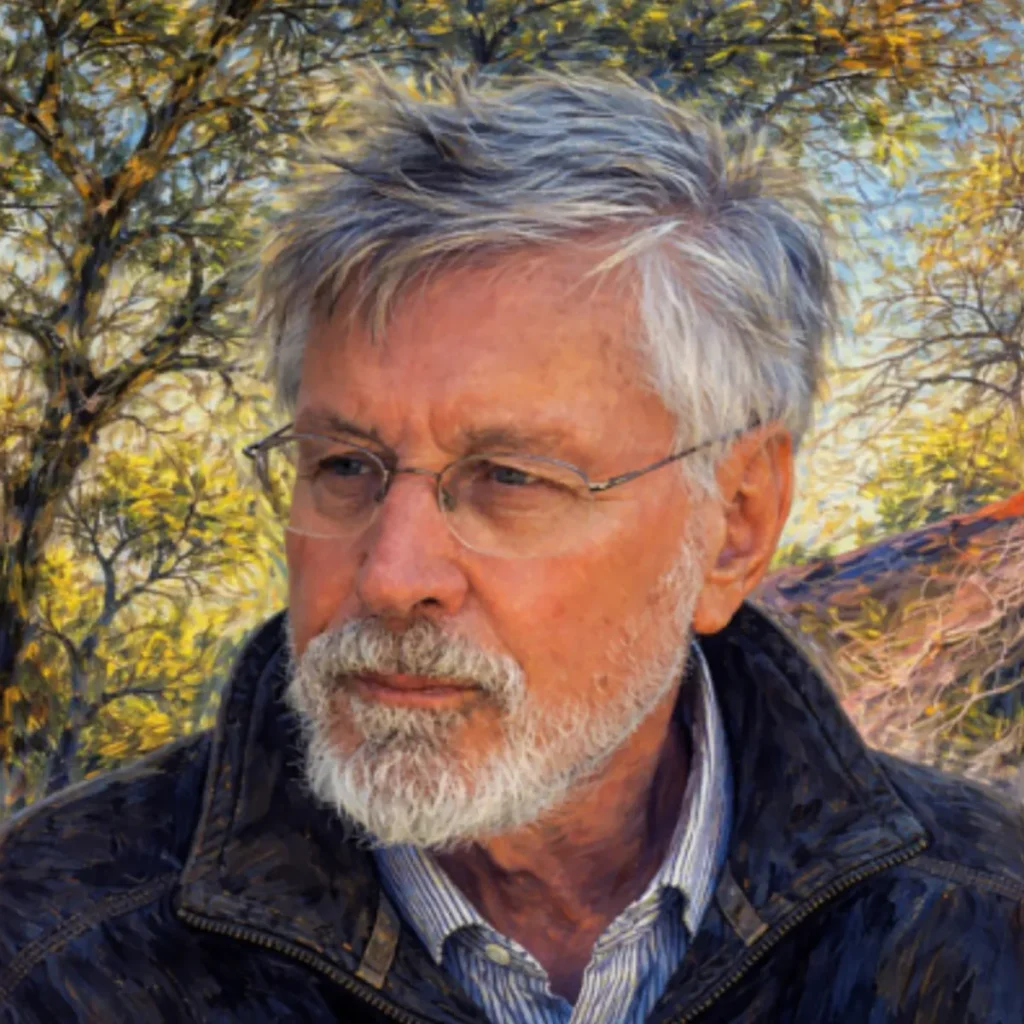
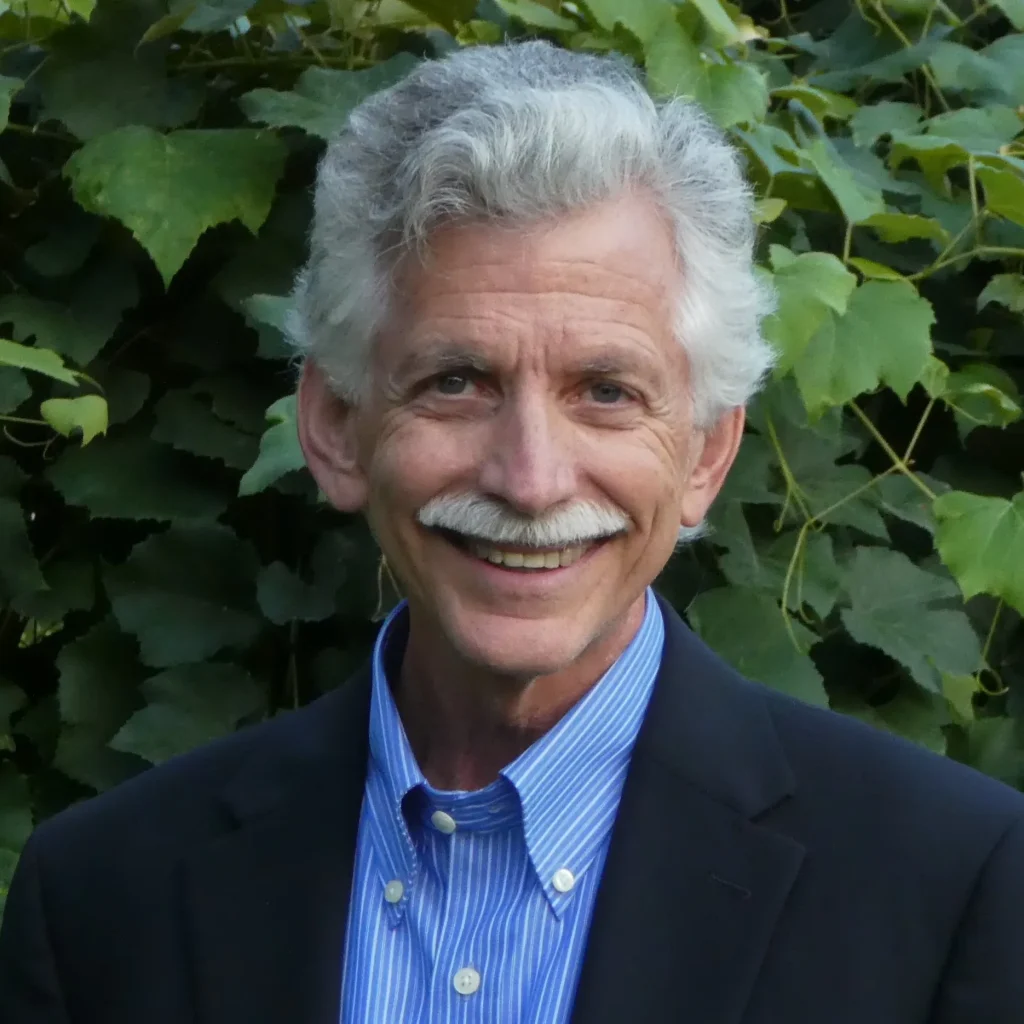
Bessel van der Kolk and Ronald D. Siegel
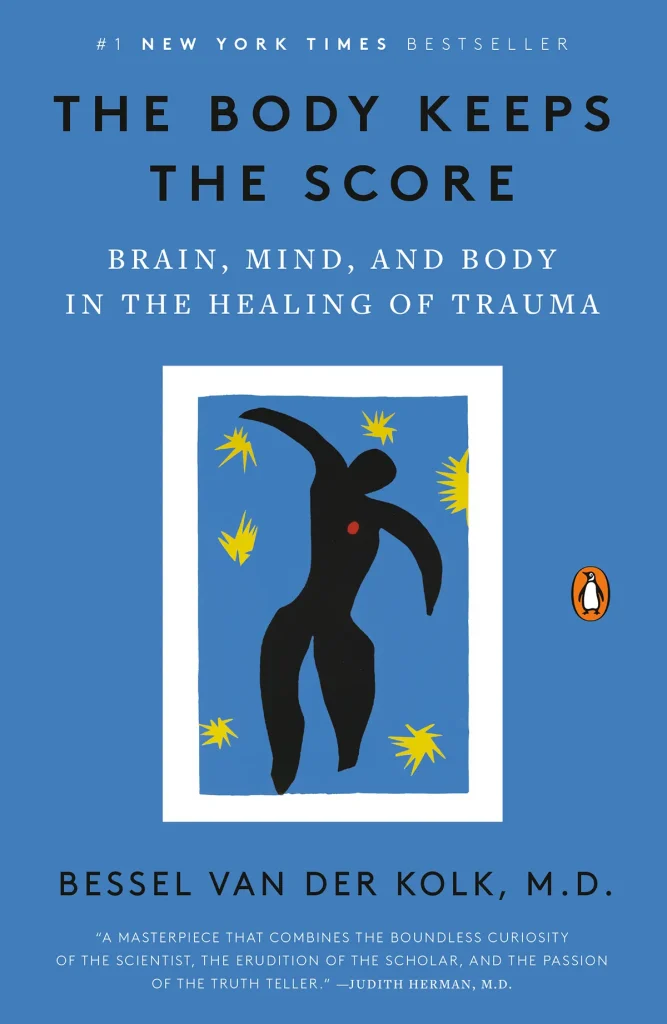
“We are on the verge of becoming a trauma-conscious society,” writes Bessel van der Kolk in The Body Keeps the Score, his internationally bestselling magnum opus. “Almost every day one of my colleagues publishes a report on how trauma disrupts the workings of mind, brain, and body. This understanding opens the door to an array of interventions, but the challenge of trauma treatment is in not only dealing with the past. We must help our patients to live fully and securely in the present.” In this conversation with longtime friend and fellow psychiatrist Ronald D. Siegel, van der Kolk—whose deeply influential work has been credited with combining the curiosity of the scientist with the erudition of the scholar and the passion of the truth teller—discusses the latest findings around the use of psychedelics as an effective trauma treatment. As Siegel has written, “psychotherapists since Freud have worked with non-ordinary states to better understand and heal the heart and mind. What can we clinicians learn from the use of psychedelics in the treatment of PTSD, depression, addiction, and end-of-life anxiety? What can they teach us about the neurobiology of human suffering and human flourishing?”
Bessel van der Kolk
Ronald D. Siegel
Session 11
Sunday afternoon
Jonathan Alter: America at a Turning Point
What can history tell us about where American politics is headed? Journalist and historian Jonathan Alter brings his sharp eye to the forces shaping the country—and the road to the midterm elections. The author of acclaimed books on FDR, Obama, Carter, and Trump, Alter offers a wide-ranging perspective on America’s political moment. Alter will be joined on stage by a surprise special guest, to be announced, for a deep-dive conversation about the forces shaping American politics today.
Jonathan Alter
Be the first to hear about speakers, tickets and festival news.
Maira Kalman
Maira Kalman is an acclaimed artist and designer. In addition to her new book, Joy, she is the author of The Principles of Uncertainty, My Favorite Things, Still Life with Remorse, Sara Berman’s Closet, and Women Holding Things, among many other titles for adults and children. A frequent contributor to The New York Times and The New Yorker, she has collaborated with artists and authors such as Nico Muhly, David Byrne, Kate Spade, Isaac Mizrahi, Michael Pollan, Daniel Handler, Alex Berman, and Mark Morris. She has illustrated editions of The Elements of Style, The Autobiography of Alice B. Toklas, and Robert Walser’s Microscripts. Her show and store, Shaker Outpost: Design, Commerce, and Culture, was on view at the Shaker Museum in Chatham, NY, this past summer. Colm Tóibín and Adam Moss
A live Work-of-Art interview
Kai Bird
Susan Goldmark
Kai Bird is an acclaimed biographer and journalist. With Martin J. Sherwin, he won the Pulitzer Prize for biography for American Prometheus: The Triumph and Tragedy of J. Robert Oppenheimer, which was the inspiration for Christopher Nolan’s Academy Award–winning Best Picture, Oppenheimer. His new biography, co-written with Susan Goldmark (his wife), is American Scoundrel: Roy Cohn’s Dark Journey from Joe McCarthy to Donald Trump. For his previous books, which include writings on the Vietnam War, Hiroshima, nuclear weapons, the Cold War, the Arab-Israeli conflict, and the CIA, he has been honored with the National Book Critics Circle Award and the Duff Cooper Prize for History, as well as numerous fellowships. He is Executive Director of the Leon Levy Center for Biography at the CUNY Graduate Center and an elected member of the Society of American Historians.
Susan Goldmark, lead researcher on American Scoundrel (and its co-author with husband Kai Bird), has worked in more than seventy-five countries—in consulting, for nonprofits, and at the World Bank. She was a World Bank Country Director in Nepal and later in Latin America.
Bill Goldstein
Bill Goldstein, who is at work on a biography of playwright/activist Larry Kramer, is the author of The World Broke in Two: Virginia Woolf, T. S. Eliot, D. H. Lawrence, E. M. Forster, and the Year that Changed Literature. He reviews books for NBC’s Weekend Today in New York and was the founding editor of the books section of The New York Times website. He received a PhD in English from CUNY. His scholarship has been supported by fellowships from the NYPL Cullman Center, Leon Levy Center for Biography, and N.E.H.
Carol Gilligan
Carol Gilligan is best known as the author of In a Different Voice, a landmark classic that revolutionized the study of girls, women, and human psychology. Her novels are Solstice and Kyra. A University Professor at NYU, she is the author of a number of books on psychology, women’s and girls’ development, and on listening to how people speak about their lives. She did her graduate work in psychology at Harvard, where she was the first Graham professor of Gender Studies and taught for more than 30 years. In 1996, Time magazine named her one of the 25 most influential Americans, and in 2025 she received the Kyoto Prize in arts and philosophy. She lives in New York City and Massachusetts.
Niobe Way
Niobe Way is a professor of Developmental Psychology at NYU, the founder of the Project for the Advancement of Our Common Humanity, and the co-founder of agapi and the Center for Youth and Connection-by-Design technology. She is the P.I. on the Listening with Curiosity Project and on a 20-year longitudinal study of 1200 Chinese families. She was the President of the Society for Research on Adolescence and received her doctoral degree in Human Development and Psychology from Harvard, where she studied with Carol Gilligan. She is a senior fellow at the Carnegie Foundation and on the board of the Hannah Arendt Center at Bard College. Her mixed method and longitudinal research examines the social and emotional development among children and adolescents and how macro ideologies shape families and child development in the U.S. and China. Her latest book is Rebels with a Cause: Reimagining Boys, Ourselves, and Our Culture. Her latest co-edited book is: The Crisis of Connection: Its Roots, Consequences, and Solution. Her book Deep Secrets: Boys’ Friendships and the Crisis of Connection, was the inspiration for the film Close, which was nominated for an Oscar for best foreign film and won the Grand Prix Award. Her forthcoming book is: Our Social Nature in a Anti-Social Culture: A Five-Part Story.
Laura Buchwald
Laura Buchwald is a New York City-based writer and editor with ties to the Berkshires. Her first two books, The Coat Check Girl and The Book of Reservations, came out in 2024 and 2025 as part of the Ghost Table Trilogy. She is currently working on the third in the series. Her strong belief in the afterlife plays a role in her fiction and has led her to consult with multiple spiritual mediums. She is co-host of People Who Do Things, a podcast about the creative process.
Annette Gordon-Reed
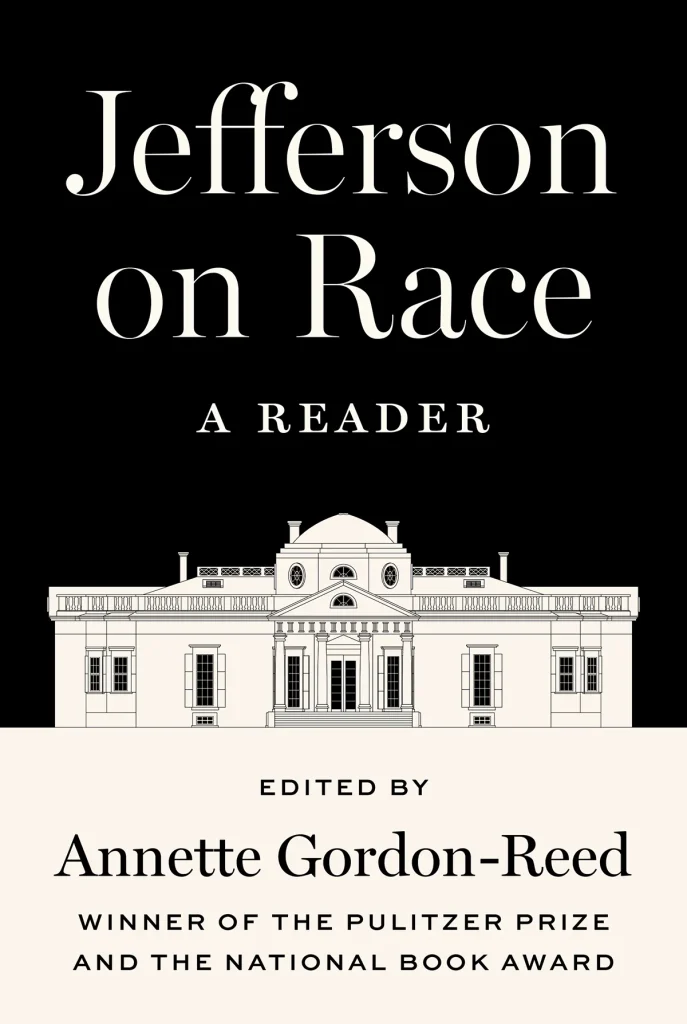
Annette Gordon-Reed is the Carl M. Loeb University Professor at Harvard University. She won sixteen book prizes, including the Pulitzer Prize in History and the National Book Award for The Hemingses of Monticello: An American Family. In addition to articles and reviews, her other works include Thomas Jefferson and Sally Hemings: An American Controversy; Vernon Can Read! A Memoir, a collaboration with Vernon Jordan; Race on Trial: Law and Justice in American History, a volume of essays that she edited; Andrew Johnson; and, with Peter S. Onuf, “Most Blessed of the Patriarchs”: Thomas Jefferson and the Empire of the Imagination. Her most recent book is On Juneteenth, and she is editor of the recent collection Jefferson on Race: A Reader. A selected list of her honors includes a fellowship from the Dorothy and Lewis B. Cullman Center, a Guggenheim Fellowship, a MacArthur Fellowship, the National Humanities Medal, the National Book Award, the Frederick Douglass Book Prize, the George Washington Book Prize, and the Anisfield-Wolf Book Award.
Brent Staples
Brent Staples cultivated a national audience for his essays on race, class, culture and politics while serving as a member of The New York Times Editorial Board from 1990 to 2025. In 2019, he was awarded the Pulitzer Prize for writing on the legacies of slavery with “extraordinary moral clarity.” Addressing the Times newsroom on the day the Pulitzers were announced, he celebrated his heroic great-great-grandmother Somerville Staples, “who came of age as an enslaved person in the chaos spawned by the Nat Turner slave rebellion of 1831.” He is author of the memoir Parallel Time: Growing Up in Black and White, a finalist for The Los Angeles Times Book Award and winner of the Anisfield-Wolf Book Award. He has delivered the W.E.B. DuBois Lectures at Harvard, a three-day address honoring those who have made distinctive contributions to African American history and culture. His most recent honorary doctorate, from Queens College of The City University of New York, cites him for “using his talents to confront racial injustice publicly and for his exceptional example of the value of higher education used for the common good.”
Saidiya Hartman
Saidiya Hartman, a scholar and historian, is the author of Wayward Lives, Beautiful Experiments; for which she won the National Book Critics Circle Award; Lose Your Mother; and Scenes of Subjection. Her play, Minor Music at the End of the World, will premiere at BAM in December 2026. She has been a MacArthur Fellow, Guggenheim Fellow, Cullman Fellow, and Fulbright Scholar. She is a University Professor at Columbia University and lives in New York City and in the Berkshires.
Jamaica Kincaid
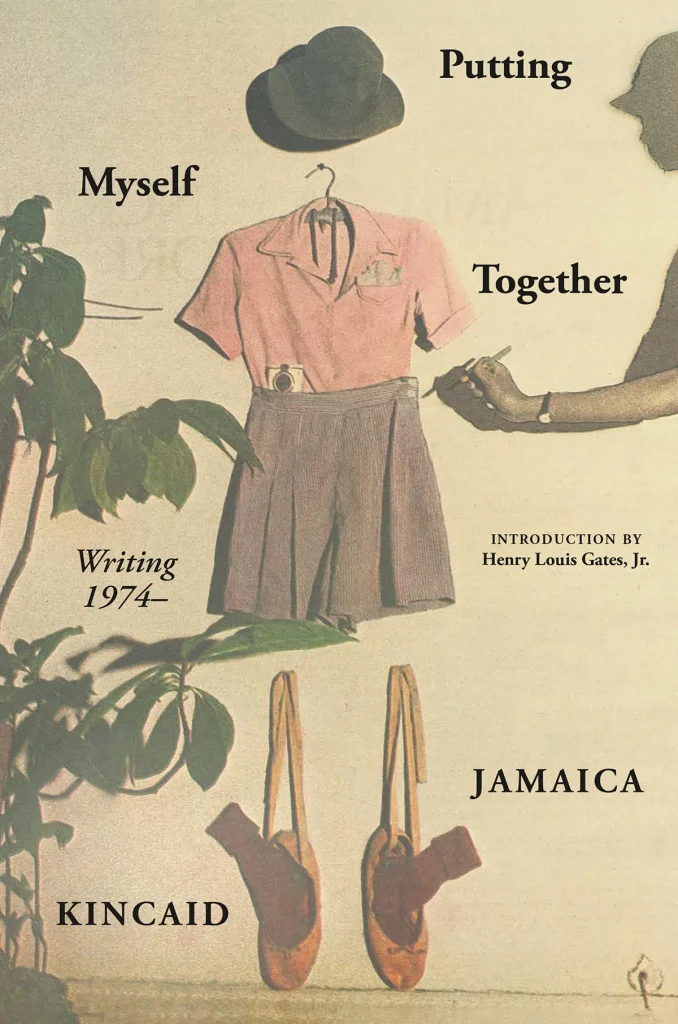
Jamaica Kincaid was born on Antigua. Her works of fiction include At the Bottom of the River; Annie John, the coming-of-age story of a ten-year-old girl growing up on Antigua; Lucy, which tells of a teenage girl from the West Indies who comes to North America to work as an au pair; The Autobiography of My Mother; Mr. Potter; and See Now Then, for which she won the Before Columbus Foundation American Book Award. Her memoir, My Brother, is an account of the death from AIDS of her younger brother. A career-spanning collection of essays, Putting Myself Together, was published in 2025. She has also written A Small Place on the effects of colonialism on Antigua. Her fascination with gardening and botany led to My Garden, Among Flowers: A Walk in the Himalaya, and An Encyclopedia of Gardening for Colored Children, her collaboration with Kara Walker. She is a member of the American Academy of Arts and Letters and has been honored with the Lannan Literary Award for Fiction, Anisfield-Wolf Book Award, Guggenheim Fellowship, and the Prix Femina Étranger. She lives in North Bennington, Vermont.
Farah Jasmine Griffin
Farah Jasmine Griffin is a University Professor at Columbia University, where she also served as the inaugural Chair of the African American and African Diaspora Studies. Her forthcoming book, The Seer: Toni Morrison Among the Ruins, will be published next year. She is also the author of In Search of a Beautiful Freedom: New and Selected Essays; Who Set You Flowin’?: The African American Migration Narrative; If You Can’t Be Free, Be a Mystery: In Search of Billie Holiday; Harlem Nocturne: Women Artists and Progressive Politics During World War II; and Read Until You Understand. With composer/pianist Geri Allen and actor/director S. Epatha Merkerson, she collaborated on two theatrical projects, for which she wrote the book: “Geri Allen and Friends Celebrate the Great Jazz Women of the Apollo” and “A Conversation with Mary Lou.” She has received fellowships from the Guggenheim Foundation and the Cullman Center, and she is a member of the American Academy of Arts and Sciences. She sits on the Board of The Brotherhood-Sister-Sol, a social justice organization serving Harlem-based youth.
Colm Tóibín
Colm Tóibín is the author of eleven novels, including Long Island; The Magician, winner of the Rathbones Folio Prize; The Master, winner of the Los Angeles Times Book Prize; Brooklyn, winner of the Costa Book Award; The Testament of Mary; and Nora Webster; as well as three story collections and several books of essays and criticism, most recently On James Baldwin. His novella, The Long Winter, has recently been made into a film by Andrew Haigh. A sequel to the novella, The Bridge, will be published later this year. He is the Irene and Sidney B. Silverman Professor of the Humanities at Columbia University and has been named as the Laureate for Irish Fiction for 2022–2024 by the Arts Council of Ireland. Three times shortlisted for the Booker Prize, Tóibín lives in Dublin, Los Angeles, and New York.
Adam Moss
Adam Moss is the author of The Work of Art: How Something Comes from Nothing. He was previously the long-serving editor of New York magazine, The New York Times Magazine, and 7 Days. As editor of New York, he also oversaw the creation of Vulture, The Cut, Daily Intelligencer, Grub Street, and The Strategist. During his tenure, New York won forty-one National Magazine Awards, including Magazine of the Year. He was elected to the Magazine Editors’ Hall of Fame in 2019.
Tom Hammick
Tom Hammick lives and works in London and East Sussex. His painting and printmaking, informed by drawing, are shaped by music, poetry and film. While inspired by all living things, his art is a. His work is in many private and public collections worldwide. For many years, he taught painting and printmaking at the University of Brighton. His life revolves around biking to his studio to work, being with family and loved ones, and experiencing life in different parts of the world. He contributed woodcuts to Adam Nicholson’s The Making of Poetry, which describes the intense and extraordinarily productive year from 1797 to 1798 that William Wordsworth, his sister, and his brother-poet Samuel Taylor Coleridge spent together in the Quantock Hills in Somerset. His art is the subject of Julian Bell’s Wall, Window, World.
Ezekiel J. Emanuel
Ezekiel J. Emanuel, MD, PhD, is Vice Provost for Global Initiatives and the Diane v.S. Levy and Robert M. Levy University Professor at the University of Pennsylvania. Dr. Emanuel is an oncologist and world leader in health policy and bioethics. His latest book, published earlier this year, is Eat Your Ice Cream: Six Simple Rules for a Long and Healthy Life. His other books include Prescription for the Future, Reinventing American Healthcare, and Brothers Emanuel: A Memoir of an American Family. He is Special Advisor to the Director General of the W.H.O., Senior Fellow at the Center for American Progress, and a member of the Council on Foreign Relations. He was founding chair of the Department of Bioethics at the N.I.H. For President Barack Obama, he served as a Special Advisor on Health Policy to the Director of the Office of Management and Budget and National Economic Council. In this role, he was instrumental in drafting the Affordable Care Act. He also served on the Biden-Harris Transition Covid Advisory Board.
The most widely cited bioethicist in history, Dr. Emanuel has been honored with election to the Institute of Medicine (IOM) of the National Academy of Science, the American Academy of Arts and Sciences, the Association of American Physicians, and the Royal College of Medicine (UK). In 2026, he was elected to the American Philosophical Society (APS) and selected as The Hastings Center’s 2026 Bioethics Founders Award Honoree. Among many other honors, he has been named the Dan David Prize Laureate in Bioethics, recipient of the AMA-Burroughs Wellcome Leadership Award, the Public Service Award from the American Society of Clinical Oncology, Lifetime Achievement Award from the American Society of Bioethics and Humanities. He has received honorary degrees from Icahn School of Medicine at Mt. Sinai, Union Graduate College, Medical College of Wisconsin, and Macalester College.
Vardit Ravitsky
Vardit Ravitsky is the President and CEO of the Hastings Center, an independent, nonpartisan bioethics research institute that is among the most prestigious bioethics and health policy institutes in the world. She is a senior lecturer on Global Health and Social Medicine at Harvard Medical School. Previously, she was a full professor in the School of Public Health at the University of Montreal. She is a past president of the International Association of Bioethics and a Fellow of the Canadian Academy of Health Sciences. Her research focuses on the ethics of genomics and reproduction, as well as the ethics and governance of health A.I. The author of more than 250 articles and commentaries, she is particularly interested in the various ways in which cultural frameworks shape public debate and policy around bioethical issues.
She is a principal investigator on two Bridge2AI research projects funded by the National Institutes of Health that expand the use of AI in biomedical and behavioral research. She served on the steering committee of the National Academy of Medicine to develop an Artificial Intelligence Code of Conduct. Previously, she was a fellow in the Department of Bioethics at the N.I.H. and a faculty member in the School of Medicine at the University of Pennsylvania.
N. Anthony Coles
N. Anthony Coles is a physician-executive and board leader with more than three decades of experience scaling breakthrough biopharmaceutical and life-science enterprises. He currently is Chairperson and Chief Executive Officer of TRATE Enterprises, LLC, a privately held strategic investment firm. He most recently served as Chairperson of the Board at Cerevel Therapeutics from December 2018 until its nearly $9 billion acquisition by AbbVie in August 2024 and was the company’s Chief Executive Officer from September 2019 to June 2023, guiding a pipeline of transformative neuroscience therapies. Earlier in his career, Dr. Coles co-founded and led Yumanity Therapeutics as Chairperson and Chief Executive Officer, advancing a novel discovery platform for neurodegenerative diseases. He previously served as President, Chief Executive Officer and Chairperson of Onyx Pharmaceuticals, stewarding its growth through to acquisition by Amgen; as President, Chief Executive Officer and Director of NPS Pharmaceuticals; as Senior Vice President of Commercial Operations at Vertex Pharmaceuticals; and in senior leadership roles at Bristol-Myers Squibb and Merck. His past public-company directorships include CRISPR Therapeutics, Laboratory Corporation of America Holdings, Campus Crest Communities, and McKesson Corporation, and he has served on the Harvard Medical School Board of Fellows. Dr. Coles currently sits on the Board of Directors of Regeneron Pharmaceuticals and is an Emeritus Trustee of Johns Hopkins University. He is Council Chair for the Smithsonian National Museum of African American History and Culture, a Trustee of The Metropolitan Museum of Art, and a Director of the Council on Foreign Relations. Committed to advancing economic equity, he co-founded and co-chairs the Black Economic Alliance. His contributions to science and society were recognized with election to the American Academy of Arts & Sciences in 2022. Dr. Coles earned his bachelor’s degree from Johns Hopkins University, his medical degree from Duke University School of Medicine, and a master’s degree in public health from the Harvard T.H. Chan School of Public Health. He completed residency and fellowship training in internal medicine and cardiology at Massachusetts General Hospital and was a research fellow at Harvard Medical School.
Jonathan Alter
Jonathan Alter an award-winning author, political analyst, documentary filmmaker, columnist, television producer and radio host.
Alter’s most recent book is American Reckoning: Inside Trump’s Trial—And My Own (2024). His earlier books include His Very Best: Jimmy Carter, a Life. (2020), The Center Holds: Obama and His Enemies (2013), The Promise: President Obama, Year One (2010) and The Defining Moment: FDR’s Hundred Days and the Triumph of Hope (2006), also one of the Times’ “Notable Books” of the year. A former senior editor and columnist at Newsweek, Alter is a longtime political analyst for NBC News and MSNBC. He co-produced and co-directed the HBO documentary Breslin and Hamill: Deadline Artists, which won the 2020 Emmy for Outstanding Historical Documentary. In 2013-2014, he was an executive producer of Alpha House, a comedy on Amazon. Over the years, Alter has written for the New York Times, the Washington Post, the Washington Monthly, the New Yorker, Bloomberg, the Daily Beast and other publications. In 2021, he launched a weekly Substack newsletter called “OLD GOATS, Ruminating with Friends,” which includes frequent columns and his conversations with accomplished people of wisdom and experience. Since 2016, he has hosted “Alter Family Politics“ each week on Sirius XM, 102 with his three adult children.